

Article
Beyond Geography: Dynamic Operating Models for Market Expansion and Portfolio Transitions
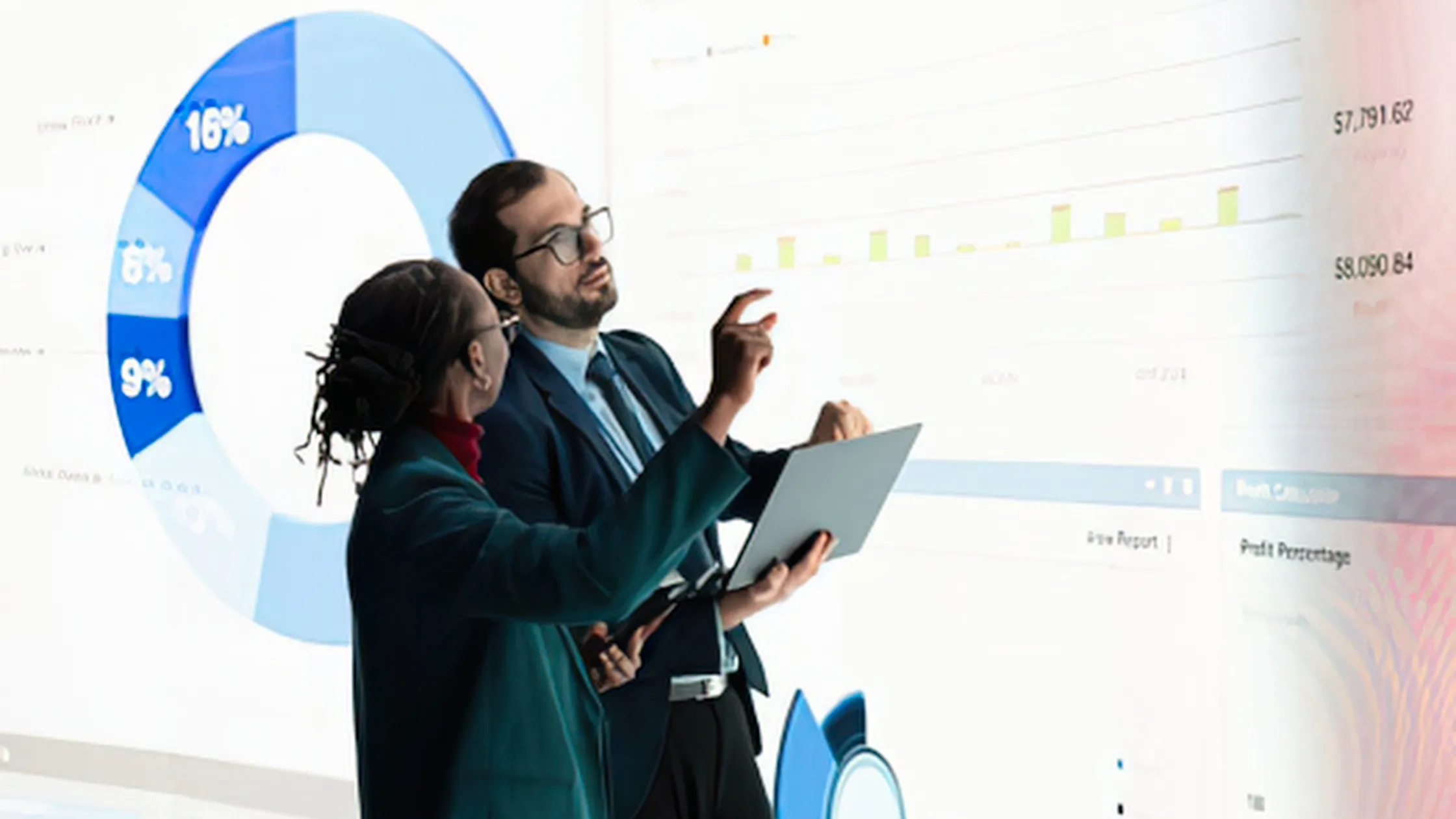
Geography is a good starting point, but building a Global-Local operating model is about much more than proximity.
Read More

WalkMe is leaning into AI, embedding intelligence across its platform, and introducing capabilities like Learning Arc that reshape how organizations approach training and adoption. Here's what stood out from the 2026 Sales Kickoff (SKO) and what it signals for the year ahead.
By Debra Moss, Michael Lamparella
The WalkMe 2026 Sales Kickoff (SKO) felt like a celebration. The momentum was tangible, and the energy was unmistakable. SKOs are designed to rally. WalkMe's delivered on that front.
But underneath it all was a focused message about where WalkMe is headed. The company is leaning into AI, embedding intelligence across its platform, and introducing capabilities like Learning Arc that reshape how organizations approach training and adoption. As a WalkMe implementation partner, that direction matters. For our clients navigating complex application landscapes, it matters more.
Here's what stood out from the 2026 SKO and what it signals for the year ahead.
Enterprise teams have long struggled with a familiar disconnect. Training happens in one place, and work happens in another. Employees complete onboarding courses or watch tutorial videos, then switch to the actual application and try to remember what they learned. The gap between knowing and doing is where adoption breaks down.
WalkMe Learning Arc addresses this by embedding learning directly within the applications employees use every day. WalkMe Learning Arc delivers contextual courses, simulations, and assessments in the flow of work rather than routed through a separate LMS or documentation library.
Recent updates also introduce AI-assisted content creation, which allows teams to generate learning assets from existing documentation and materials. This shortens development cycles and lowers the barrier to keeping content current, which is a persistent challenge for organizations managing change across ERP, CRM, or procurement platforms.
The model aligns learning with adoption rather than treating them as separate workstreams. For organizations mid-transformation, this is a meaningful shift.
There's a familiar pattern in enterprise digital adoption platform (DAP) software. An organization invests in a help menu, builds a resource library, and configures a few walk-throughs. However, users either don't know it exists or don't use it because navigating to a static help panel in the middle of a task creates friction rather than reducing it.
The Action Bar is WalkMe's answer to that problem. It replaces the traditional Help Menu with a persistent, contextual interface that surfaces guidance, quick actions, and AI-powered assistance based on what a user is actively doing within an application. Users can pin frequently used tools, access chat capabilities, and trigger workflows without leaving their current task.
WalkMe’s AI is built to solve one of the most persistent barriers to enterprise AI adoption: prompting. For many users, knowing what to ask — and how to ask it — can be the difference between value and frustration. Because WalkMe operates at the UI layer rather than relying on backend API integrations, it understands the context of what users are seeing in real time. It interprets the screen as the user experiences it, eliminating the need for complex technical connections behind the scenes. That blend of contextual awareness and intuitive interaction makes the AI immediately usable within daily workflows.
That usability carries through to AI Chat and ActionBot. Recent enhancements make it easier for employees to engage enterprise systems through natural language, ask questions grounded in trusted sources, and trigger workflows directly from a conversation. Continued releases also signal progress in AI-driven content generation, more intelligent automation, and analytics that provide clearer insight into user behavior and process performance.
The energy of SKO reflected confidence in WalkMe's trajectory. The product themes reinforce it.
WalkMe is positioning itself as more than a traditional DAP. The platform is evolving into an intelligent layer that connects learning, automation, analytics, and contextual support across enterprise applications.
As organizations continue to invest in core systems and digital transformation, the differentiator increasingly isn't the technology itself. It's how effectively people use it. Embedding intelligence into the flow of work, enabling faster learning, and reducing friction across applications is where the next phase of enterprise productivity takes shape.
If the energy at SKO is any indication, WalkMe sees 2026 as a year to accelerate. For enterprises navigating complex, multi-platform environments, that's a development worth watching.
As a WalkMe implementation partner, Acquis works with organizations deploying digital adoption across SAP Concur, Salesforce, Coupa, and multi-platform environments. Whether you're evaluating WalkMe's latest capabilities, planning a rollout, or looking to unify your adoption strategy across systems, we can help you turn platform evolution into operational advantage.
If you're exploring what WalkMe can do for your organization, connect with us.
Subscribe to the Acquis newsletter
Tags:
Geography is a good starting point, but building a Global-Local operating model is about much more than proximity.
Read More
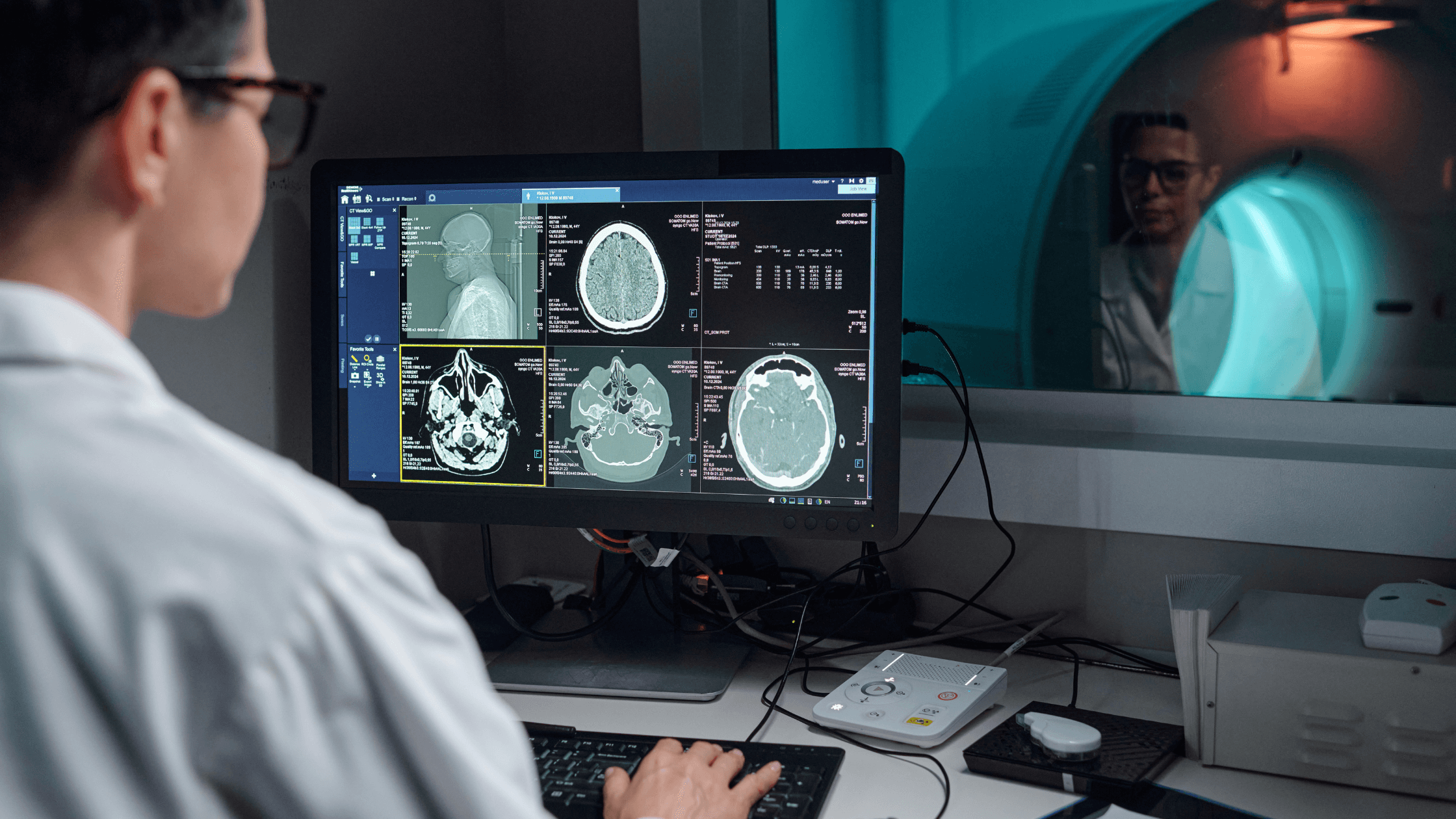
Combinations are not new. What is new is the velocity. The number of regimens pairing established immuno-oncology (IO) agents with novel molecules and mechanisms has grown significantly year over year, and the data supporting those pairings is maturing in ways that carry real implications for patients, drugmakers, and the broader life sciences investment thesis.
Read More
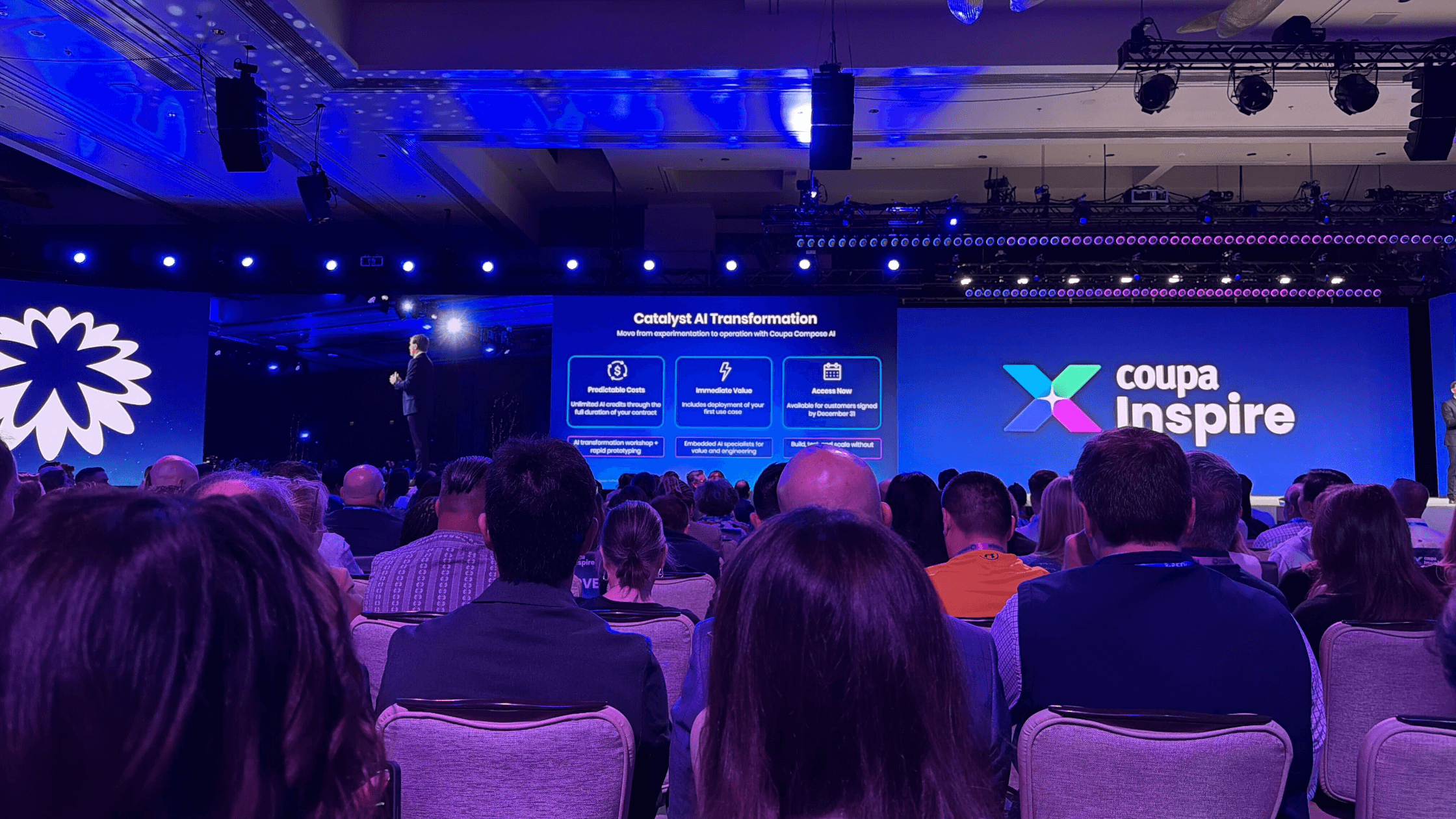
Coupa Inspire 2026 marked Coupa's 20th anniversary, and the conference reflected a company positioning itself for a new phase of growth. Coupa is building its roadmap around AI-enabled workflows, automation, and orchestration across the full spend lifecycle.
Read More
Geography is a good starting point, but building a Global-Local operating model is about much more than proximity.
Read More
Combinations are not new. What is new is the velocity. The number of regimens pairing established immuno-oncology (IO) agents with novel molecules and mechanisms has grown significantly year over year, and the data supporting those pairings is maturing in ways that carry real implications for patients, drugmakers, and the broader life sciences investment thesis.
Read More
Coupa Inspire 2026 marked Coupa's 20th anniversary, and the conference reflected a company positioning itself for a new phase of growth. Coupa is building its roadmap around AI-enabled workflows, automation, and orchestration across the full spend lifecycle.
Read More