

Article
Beyond Geography: Dynamic Operating Models for Market Expansion and Portfolio Transitions
Geography is a good starting point, but building a Global-Local operating model is about much more than proximity.
Read More

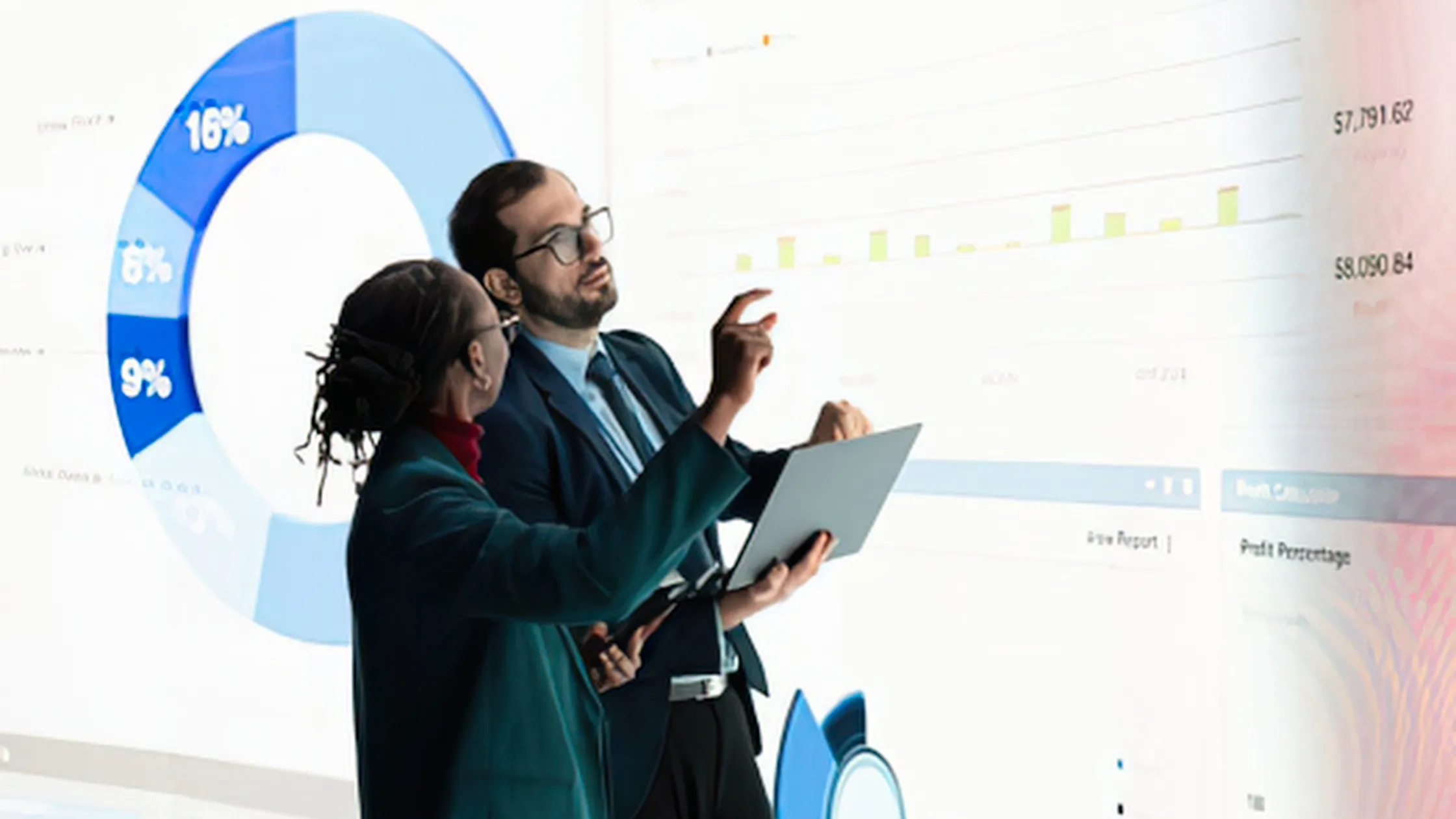
Fragmented systems, inconsistent reporting cadences, and the manual sprawl of spreadsheets have kept private equity firms tethered to quarterly financials and best-guess forecasting. Firms invested millions of dollars and tens of thousands of hours building data teams, implementing visualization platforms, and buying or building portfolio monitoring systems, and still couldn't get ahead of the signal. The technology kept promising more than it delivered.
That ceiling is lifting. Machine learning and natural language processing now enable systems to ingest thousands of data points across portfolio companies, harmonize disparate inputs, and surface the intelligence that makes real-time portfolio management possible. Connective insights that once depended on insider knowledge and timing are becoming systematic.
Traditional private equity workflows have been caught in a data latency loop. Teams wait for month- or quarter-end closes, then spend days reconciling and normalizing inconsistent data formats before surfacing a handful of insights, often weeks after they were most actionable. By design, this flow prioritizes accuracy over speed, a reasonable tradeoff given legacy technology constraints.
But latency compounds.
AI collapses this loop. Unified data ingestion pipelines, continuous monitoring, and intelligent summarization enable firms to shift from retrospective analysis to ongoing portfolio telemetry. Consider what compressed timelines could make possible:
A $3B fund's continuous monitoring caught a pricing configuration error within 72 hours. The workflow was auto-approving 40% discounts instead of flagging them. The fix saved $200K monthly.
Regional revenue decline was tied to customer churn. Within four days of the pattern emerging, the company launched targeted retention campaigns before the problem spread further.
Operational inefficiencies, including unusual overtime patterns and vendor spend spikes, surface immediately rather than in quarterly reviews.
In an industry where months determine multiples, that compression changes the outcome.
Historically, lookthrough data described LPs seeing beyond fund-level summaries to examine portfolio companies and their performance. The rise of agentic AI has created an additional lookthrough: GP-led, AI-powered, and designed for active portfolio management.
It solves a fundamental challenge: portfolio companies operate on different systems, define metrics differently, and report on different schedules. One company's "churn" is another's "non-renewal." One counts ARR at signature, another at go-live.
Previous standardization attempts forced false equivalencies that destroyed nuance or accepted incomparability that prevented insight. AI approaches this differently. Instead of rigid standardization, these systems learn each company's data semantics and translate to common frameworks while preserving context. They ingest everything, including board decks, CRM exports, financial systems, support tickets, etc. They then surface unified intelligence without losing the details that matter.
GP-led lookthrough provides near real-time visibility into operational and financial performance, automated flagging of deviations, predictive risk alerts, and continuous monitoring of value creation initiatives. It transforms portfolio oversight from periodic review to continuous management.
Visibility alone is not enough. Leading private equity firms are using AI-driven portfolio intelligence, with the underlying pattern recognition doing the work, to move beyond passive KPI tracking toward actively shaping investment outcomes.
Consider what this looks like in practice: a tech-focused fund's AI identifies four portfolio companies competing for the same enterprise customers with complementary products. Rather than consolidating vendors, they create a joint solution that triples average contract values. These cross-portfolio relationships have long been a qualitative value-add of PE ownership. AI gives them quantitative validation.
Beyond identifying opportunities, AI enables rapid testing and iteration. Real-time scenario planning simulates commercial, operational, or capital structure changes before implementation. Management teams gain tighter alignment through shared dashboards and explainable AI models that build trust and foster collaboration. Operating teams can deploy resources precisely where they will drive the most value.
These insights do not emerge from quarterly reviews or operating partner intuition alone. They require systematic pattern recognition at scale, analyzing thousands of signals across companies and sectors that human analysis would rarely connect.
Dashboards have long been the default entry point to portfolio data. They provide familiar visualizations to support decision-making. But dashboards are the interface, not the intelligence layer itself.
The more consequential development lies beneath them. AI-driven intelligence layers embed anomaly detection, predictive analytics, and early warning signals that continuously monitor portfolio health. These systems do more than just showing what happened. They interpret why it is happening and recommend specific next steps. Together, they form a strategic telemetry that represents continuous intelligence that interprets signals and drives action, rather than just tracking metrics.
A dashboard might show that revenue is down 10%. Strategic telemetry shows that three key accounts reduced usage six weeks ago after a product update broke their workflow and that similar patterns in other portfolio companies preceded 20% churn events. The dashboard displays the alert; the intelligence layer discovered the pattern, investigated the cause, and predicted the outcome.
Agentic AI increasingly works behind the scenes to retrieve, contextualize, and in some cases autonomously act on data. These agents pursue and parse data faster than human analysts, slice it in ways humans would not think to, and surface connections across disparate systems. Strategic telemetry is the engine beneath the dashboard.
Beyond operational insights, AI is reshaping how firms approach valuations. Valuation remains judgment-intensive. AI provides evidence that makes those judgments defensible.
Consider the asymmetry of valuation risk. Firms rarely get credit for conservative marks, but inaccurate aggressive marks damage credibility for years. AI provides an early warning system against that asymmetry, surfacing customer concentration creeping up, maintenance capex being deferred, or working capital extending to juice cash flow. These patterns emerge through signal recognition months before they appear in quarterly financials.
If a business services company shows 15% EBITDA growth and AI reveals that 80% of that comes from one-time contract wins that will not recur, that quality of earnings issue enters the valuation conversation before it becomes a write-down.
For audit committees and LPs increasingly equipped with their own data science capabilities, "trust me" no longer suffices. They expect evidence: Why this multiple? Why now? What has changed since last quarter? AI-powered intelligence provides 50 data points where there were previously five. Not to justify aggressive marks. To support honest ones.
The real value emerges in exit timing. Most firms know their target exit multiple. Fewer know when their portfolio companies genuinely support that valuation versus when they are relying on multiple expansion. AI's pattern recognition across successful exits reveals when operational metrics align with valuation expectations. That is the difference between selling into strength and racing against deterioration.
This capability becomes especially important as traditional buyouts incorporate technology and recurring revenue models. When an industrial distributor adds a SaaS component, a healthcare services company builds a tech platform, or a SaaS company adds a services layer, traditional valuation methods struggle. AI can quantify these hybrid models through customer retention, usage patterns, and platform adoption that spreadsheets often miss.
The gap between when something happens in a portfolio company and when a firm knows about it has been measured in weeks and quarters. That gap is closing.
The firms that close it fastest will not just have better information. They will make different decisions, at different times, with different outcomes. The intelligence infrastructure to support that is available now. The question is whether firms build it before their competitors do.
The next articles in Opportunity Arbitrage shift from portfolio management to the deal lifecycle: how AI transforms everything from sourcing to post-merger integration through exit.
Subscribe to the Acquis newsletter
Tags:
Geography is a good starting point, but building a Global-Local operating model is about much more than proximity.
Read More
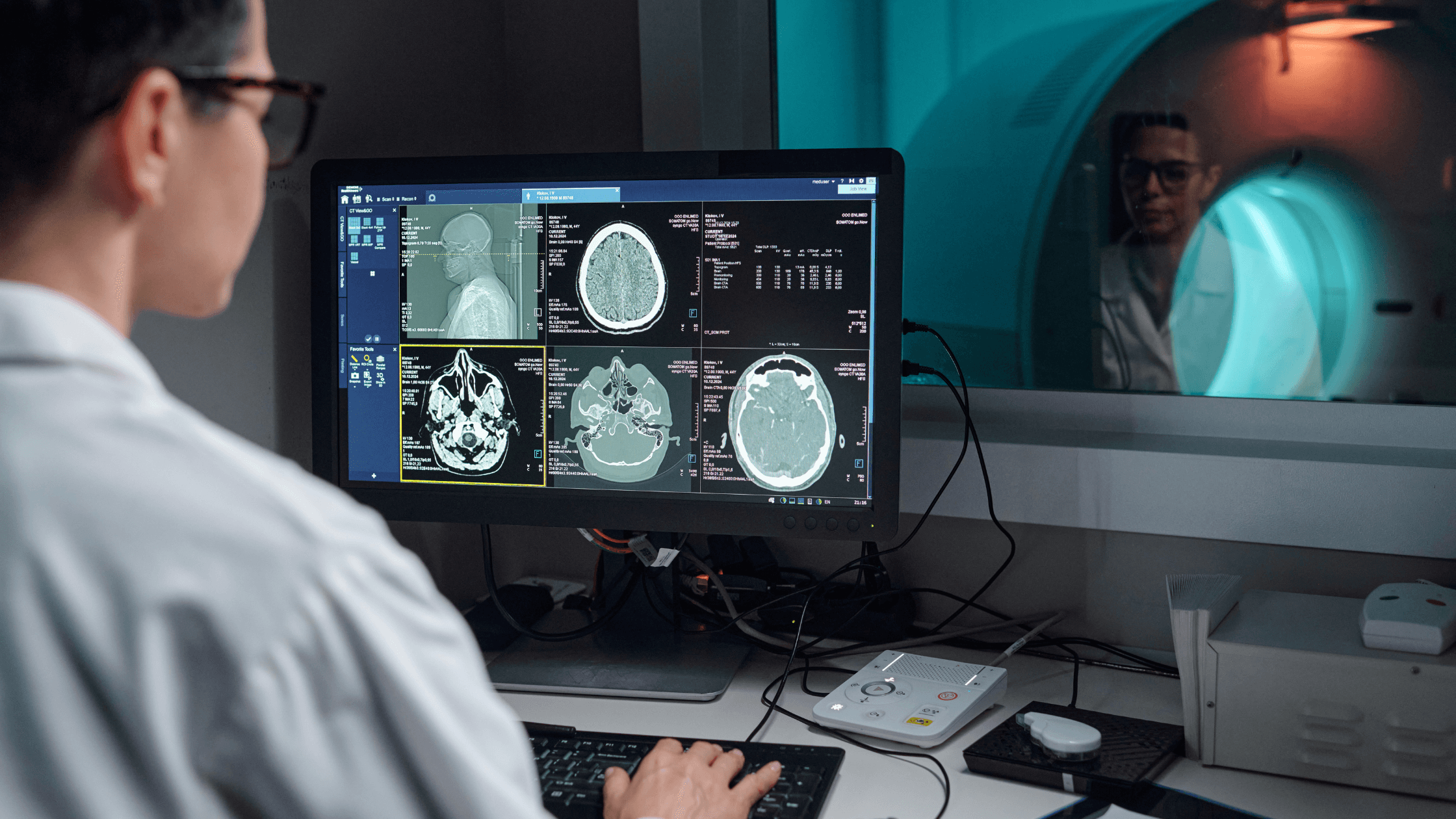
Combinations are not new. What is new is the velocity. The number of regimens pairing established immuno-oncology (IO) agents with novel molecules and mechanisms has grown significantly year over year, and the data supporting those pairings is maturing in ways that carry real implications for patients, drugmakers, and the broader life sciences investment thesis.
Read More
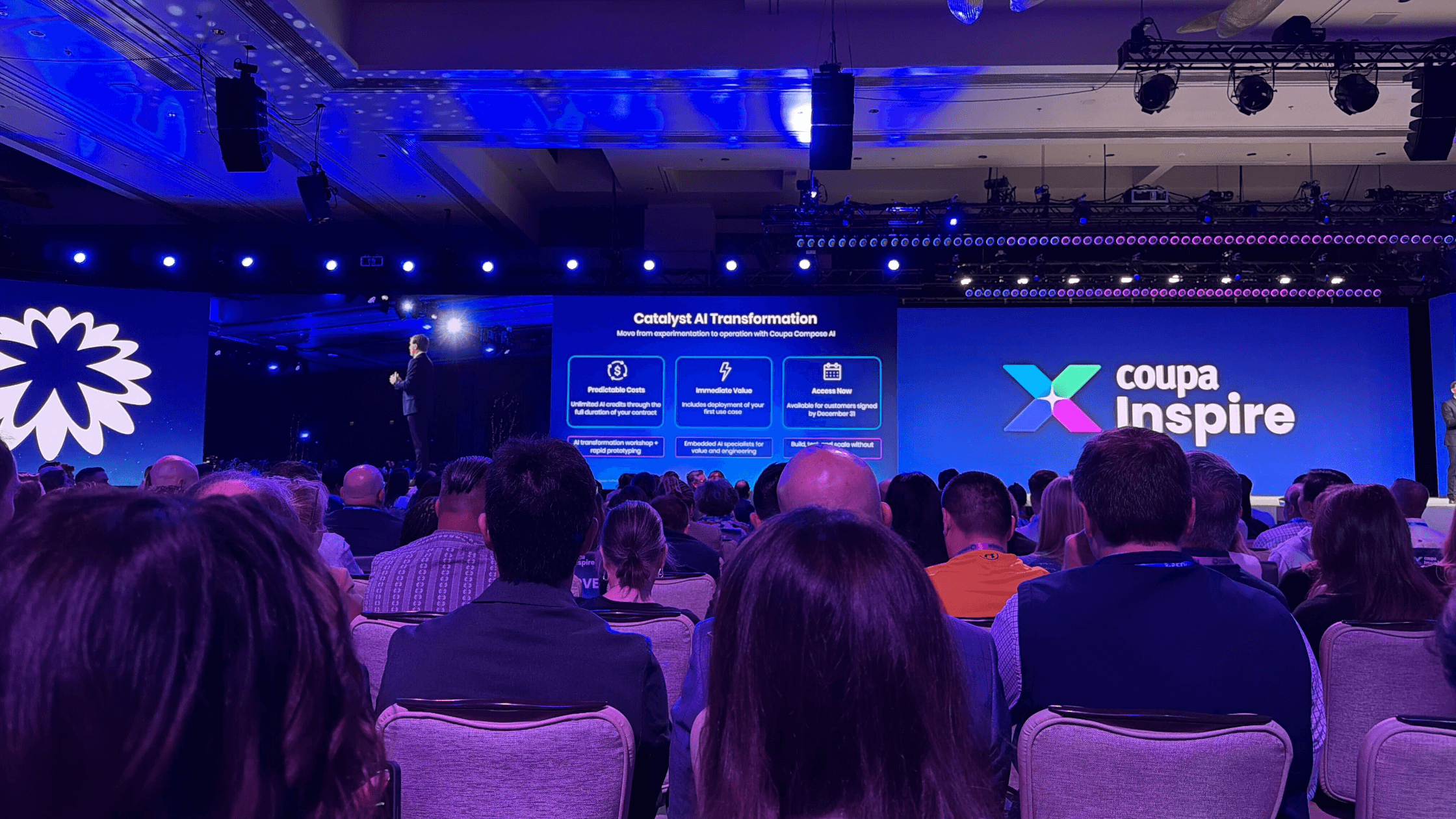
Coupa Inspire 2026 marked Coupa's 20th anniversary, and the conference reflected a company positioning itself for a new phase of growth. Coupa is building its roadmap around AI-enabled workflows, automation, and orchestration across the full spend lifecycle.
Read More
Geography is a good starting point, but building a Global-Local operating model is about much more than proximity.
Read More
Combinations are not new. What is new is the velocity. The number of regimens pairing established immuno-oncology (IO) agents with novel molecules and mechanisms has grown significantly year over year, and the data supporting those pairings is maturing in ways that carry real implications for patients, drugmakers, and the broader life sciences investment thesis.
Read More
Coupa Inspire 2026 marked Coupa's 20th anniversary, and the conference reflected a company positioning itself for a new phase of growth. Coupa is building its roadmap around AI-enabled workflows, automation, and orchestration across the full spend lifecycle.
Read More